
WASHINGTON US News: The United States has officially lowered tariffs on South Korean-made vehicles to 15%, with the reduction applied retroactively from November 1, Commerce Secretary Howard Lutnick announced Monday.
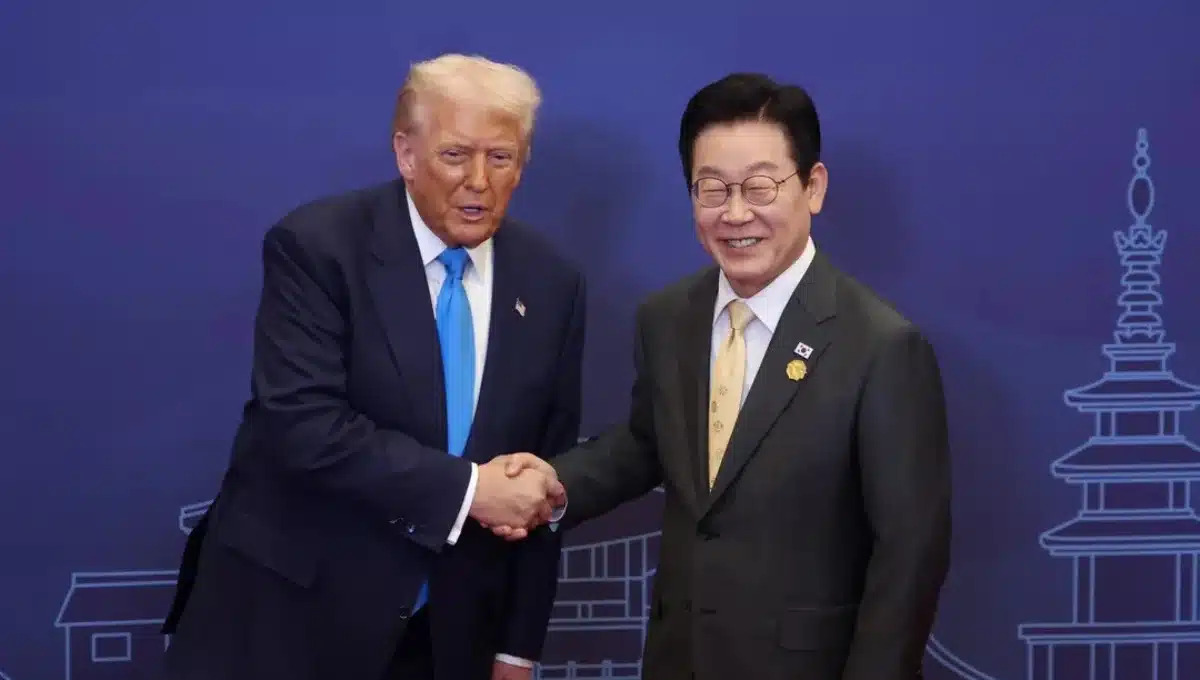
The dramatic tariff cut, one of the first concrete deliverables of President Donald Trump’s renewed trade push with Seoul, comes after South Korea’s National Assembly moved forward with legislation to cement a landmark $350 billion strategic investment package into American manufacturing, shipbuilding, and infrastructure.
In a post on the Commerce Department’s official X account, Lutnick declared the move a direct result of South Korea fulfilling its side of a bilateral agreement reached last month. “The Republic of Korea has taken decisive action to pass strategic investment legislation, ensuring American industries and workers reap the full benefits of President Trump’s trade deal with Korea,” he wrote.
Under the terms finalized in mid-November, the tariff relief on automobiles and certain parts was triggered the moment Seoul introduced implementing legislation. That milestone was reached on November 26 when the ruling party formally proposed the Special Act on the Management of Korea-U.S. Strategic Investment.
ChatGPT Free Users Will Soon See Ads: Leaked Code Confirms Sponsored Results Are Coming Fast
The same agreement eliminates U.S. tariffs on South Korean aircraft components entirely and aligns reciprocal duties with the more favorable rates already extended to Japan and the European Union.
South Korea’s Ministry of Trade, Industry and Energy immediately notified Washington of the legislative step. Minister Kim Jung-kwan sent a formal letter to Secretary Lutnick requesting expedited publication of the tariff changes in the Federal Register, the official journal of the U.S. government. Sources familiar with the process say the notice is expected to appear within days, making the lower rates binding for all qualifying imports since the start of last month.
The decision delivers an immediate boost to Korean automakers Hyundai, Kia, and Genesis, which together sold more than 1.4 million vehicles in the United States last year. Industry analysts say the tariff relief will help stabilize pricing and protect market share at a time when global trade tensions remain high.
Lutnick praised the partnership, saying South Korea’s massive investment commitment “strengthens our economic alliance, creates and protects American jobs, and sets the stage for shared prosperity.” He added that both nations are committed to deeper cooperation in critical sectors for years to come.
The tariff reduction marks another early victory for the Trump administration’s strategy of using targeted trade leverage to secure large-scale foreign investment and manufacturing commitments on American soil.