Skip to content
Signature Media Group
  • News
  • Sports
  • Entertainment
  • Automobile
  • Technology
  • Business
  • News
  • Sports
  • Entertainment
  • Automobile
  • Technology
  • Business

Technology

The DNA Data Storage Revolution: Solving the Global Memory Crisis

April 28, 2026 | 1:58 am by Lowell Langosh
The DNA Data Storage Revolution: Solving the Global Memory Crisis

The world is running out of silicon. Every day, … Read more

Categories Technology

Smart Cities 2.0: Integrating AI into Urban Traffic and Energy Grids

April 28, 2026 | 1:52 am by Lowell Langosh
Smart Cities 2.0: Integrating AI into Urban Traffic and Energy Grids

The modern city is a victim of its own … Read more
Categories Technology

The “Why”: The Economic and AI Reality

April 28, 2026 | 1:49 am by Lowell Langosh
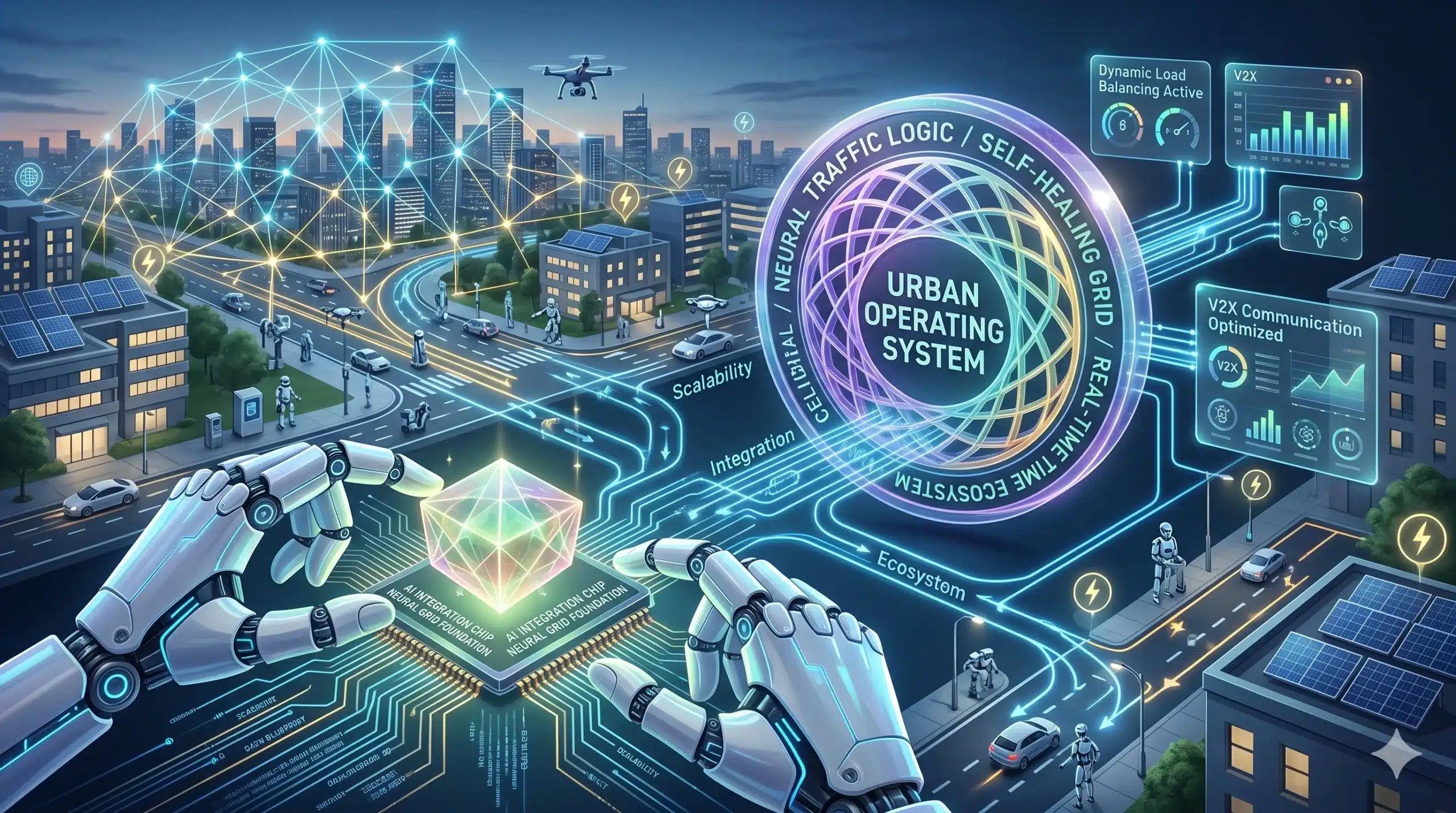
The modern city is a victim of its own success, choking on the very connectivity that built it. We have spent decades layering "smart" sensors onto crumbling Victorian-era plumbing and 20th-century power lines, but the result has often been a fragmented mess of data silos that can't talk to one another. In 2026, a city is no longer just a collection of buildings; it is a massive, pulsing data engine that requires a unified operating system.We are entering the era of Smart Cities 2.0. This isn't about adding more cameras; it’s about the deep integration of artificial intelligence into the physical infrastructure. By turning traffic lights into neural nodes and power grids into self-healing markets, we are transforming the urban experience from a series of daily frictions into a fluid, responsive ecosystem.The "Why": The Collapse of Static InfrastructureThe economic shift toward Smart Cities 2.0 is driven by the sheer cost of urban inefficiency. Traffic congestion isn't just an annoyance; it’s a multi-billion dollar drain on global GDP and a primary driver of urban carbon emissions. Simultaneously, our energy grids are buckling under the weight of electric vehicle (EV) adoption. A static grid designed for one-way power flow cannot handle a neighborhood where every driveway is a high-voltage charging station.Technologically, we’ve reached a tipping point where Edge Intelligence and 5G density allow for real-time processing. Recent Gartner trends suggest that by 2028, over 60% of Tier-1 cities will utilize AI-driven "Digital Twins" to manage their core services. The ROI for these investments is found in the "found energy" and "found time"—the minutes and megawatts saved when a city stops reacting to problems and starts predicting them.Technical Breakdown: The Neural GridSmart Cities 2.0 relies on a decentralized architecture that treats every streetlight, transformer, and vehicle as a participant in a giant, self-correcting loop.V2X (Vehicle-to-Everything) Communication: Low-latency 5G links that allow cars to "talk" to traffic signals and pedestrians' smartphones, creating a 360-degree safety bubble.Dynamic Load Balancing (DLB): AI algorithms that monitor the energy grid in real-time, automatically shifting EV charging loads to off-peak hours or drawing power from parked vehicle batteries to prevent brownouts.Predictive Traffic Flow: Instead of fixed timers, intersections use computer vision to analyze live traffic volume and adjust signals to eliminate "ghost jams" before they form.Automated Demand Response: Smart appliances and industrial systems that communicate with the energy infrastructure, pausing high-energy tasks for a few minutes when the grid hits peak load in exchange for lower utility rates.The Urban EvolutionFeatureSmart Cities 1.0 (Legacy)Smart Cities 2.0 (2026+)Data FlowReactive / ManualProactive / AutonomousGrid ModelCentralized / One-wayDecentralized / Bi-directionalTraffic ControlFixed Timers / LoopsReal-time Neural LogicPrimary GoalDigitization of RecordsOptimization of FlowReal-World Impact: The Living CityThe integration of these systems is already redefining urban life. In Traffic Management, a "Green Wave" isn't just a lucky streak; it’s a calculated priority. Emergency vehicles can now "carve" a path through traffic as the AI preemptively clears the route, while public transit buses are prioritized to ensure maximum scalability of the transport network.For the Energy Ecosystem, the city becomes a giant battery. Imagine a residential project in Odisha where a G+1 red brick house equipped with solar panels doesn't just power itself—it sells excess energy back to the grid during the afternoon heat, which the AI then directs to a nearby cooling center. This creates a circular economy of energy that maximizes the ROI of every rooftop installation.In Logistics, autonomous delivery drones and vans utilize the city’s neural map to navigate "micro-fulfillment" centers, avoiding schools during drop-off hours and heavy construction zones. This reduces the carbon footprint of the "last mile" and ensures that the city’s infrastructure remains uncluttered.Challenges & Ethics: The Privacy and Energy BottleneckDespite the high-tech promise, Smart Cities 2.0 faces significant "bottlenecks" that are as much social as they are technical.The Surveillance Friction: To manage traffic, the city needs to see it. Balancing the need for computer vision with the individual's right to Biometric Privacy is the most significant ethical challenge of the decade.Cybersecurity Risk: As we move the "brain" of the city onto the network, the threat of a "Q-Day" quantum attack on urban infrastructure becomes a national security concern, necessitating Quantum-Resistant Encryption.Energy Consumption of AI: Running the thousands of edge-compute nodes required for a 2.0 city is itself energy-intensive. Without a GreenOps strategy, the "Smart City" could end up consuming more power than it saves.The 3-5 Year Outlook: The Invisible UtilityBy 2030, the "Smart" in Smart City will be invisible. We will stop talking about it as a separate technology and start viewing it as a basic utility, as fundamental as clean water or paved roads. The city will become a silent partner in our daily lives—knowing when to dim the lights, when to speed up the bus, and how to keep the power flowing without human intervention.The winners in this space will be the municipalities that prioritize Infrastructure Agility. As the climate changes and urban populations grow, the static city will break; only the neural city will survive. We aren't just building better roads; we are building a city that finally knows how to think.

The primary driver for the Cloud Exit is “bill … Read more

Categories Technology

The “Why”: The Physics of Latency and Cost 

April 28, 2026 | 1:45 am by Lowell Langosh
"Act as a senior technology journalist and SEO specialist with 15 years of experience. Write a comprehensive, 800-word article titled: '[Insert Heading Here]'. Core Requirements: Tone: Authoritative, forward-thinking, yet accessible (similar to Wired or The Verge). Structure: * Introduction: Hook the reader with a current industry pain point or a 'state of the world' summary. Define the topic and why it matters now. The 'Why' (H2): Explain the technological or economic shift driving this trend. Technical Breakdown (H2): Explain how the tech works without being overly academic. Use a bulleted list for key components. Real-World Impact (H2): Provide specific (hypothetical or real) use cases for businesses or consumers. Challenges & Ethics (H2): Address the 'bottlenecks' (e.g., privacy, cost, or energy consumption). Conclusion: Summarize the long-term outlook for the next 3–5 years. SEO & Quality Guidelines: LSI Keywords: Naturally integrate related terms such as 'scalability,' 'integration,' 'ROI,' 'ecosystem,' and 'infrastructure.' Formatting: Use short paragraphs (2–3 sentences), bold key terms for scannability, and use a professional table if comparing 'Old Tech' vs. 'New Tech.' Depth over Breadth: Avoid repetitive 'intro/outro' sentences in every paragraph. Dive deep into the implications of the technology. No Hallucinations: If citing data, use general industry benchmarks (e.g., 'Recent Gartner trends suggest...') rather than inventing specific fake statistics. Constraint: Avoid generic AI phrases like 'In the rapidly evolving landscape' or 'In conclusion, it is clear that.' Start with a direct, punchy observation."

The shift toward the edge is driven by two … Read more

Categories Technology

The “Why”: The Peak Energy Crisis

April 28, 2026 | 1:41 am by Lowell Langosh
Edge Intelligence: Why Data Processing is Moving Closer to the Source

The economic shift toward GreenOps is driven by the … Read more

Categories Technology

Biometric Privacy: Navigating the Ethics of Facial and Iris Recognition

April 28, 2026 | 1:38 am by Lowell Langosh
generate 16:9 ratio featured image

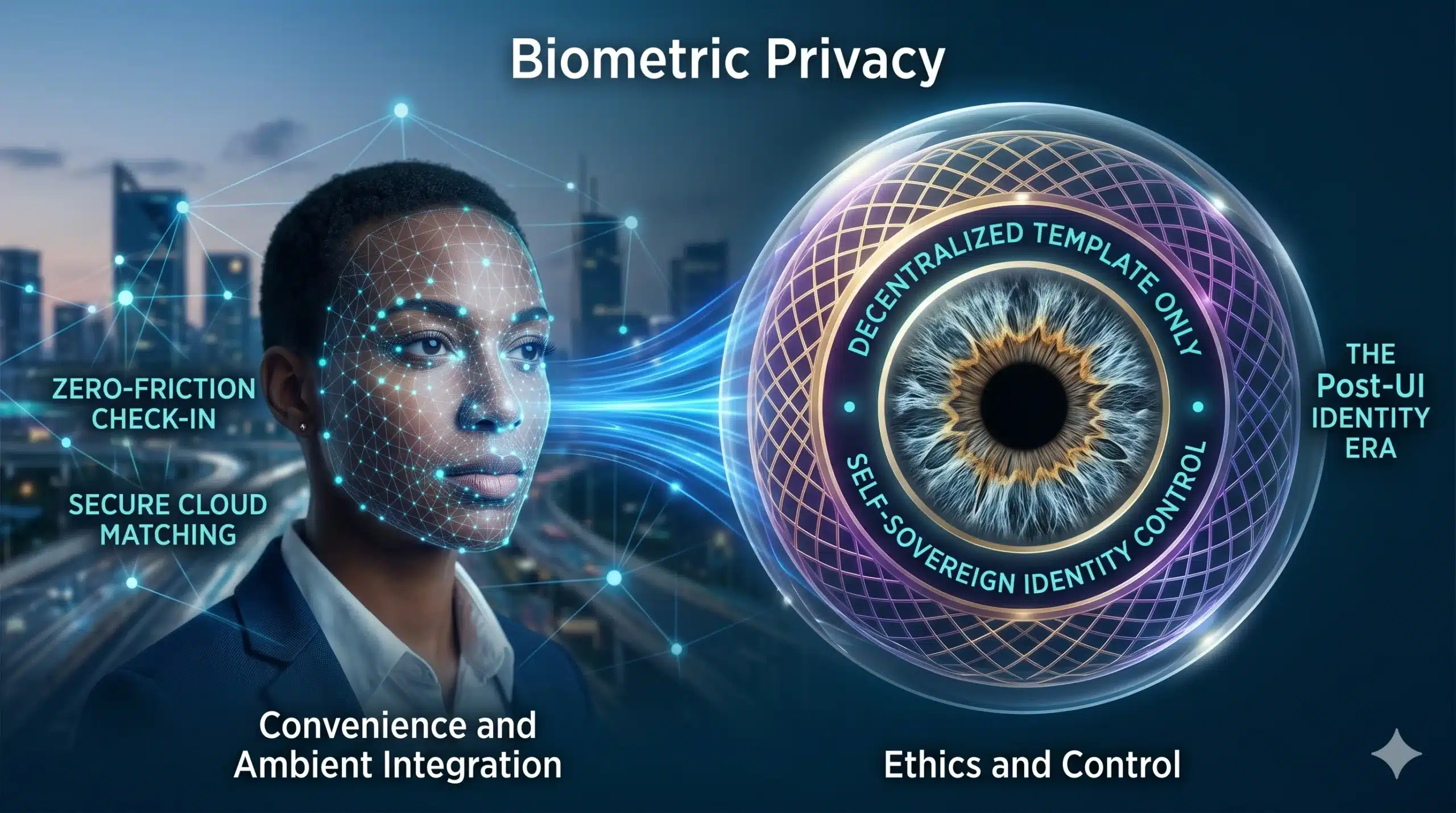
Your body is becoming your ultimate password, but unlike … Read more
Categories Technology

Algorithmic Auditing: The New Frontier of Corporate Compliance

April 28, 2026 | 1:35 am by Lowell Langosh
generate 16:9 ratio featured image

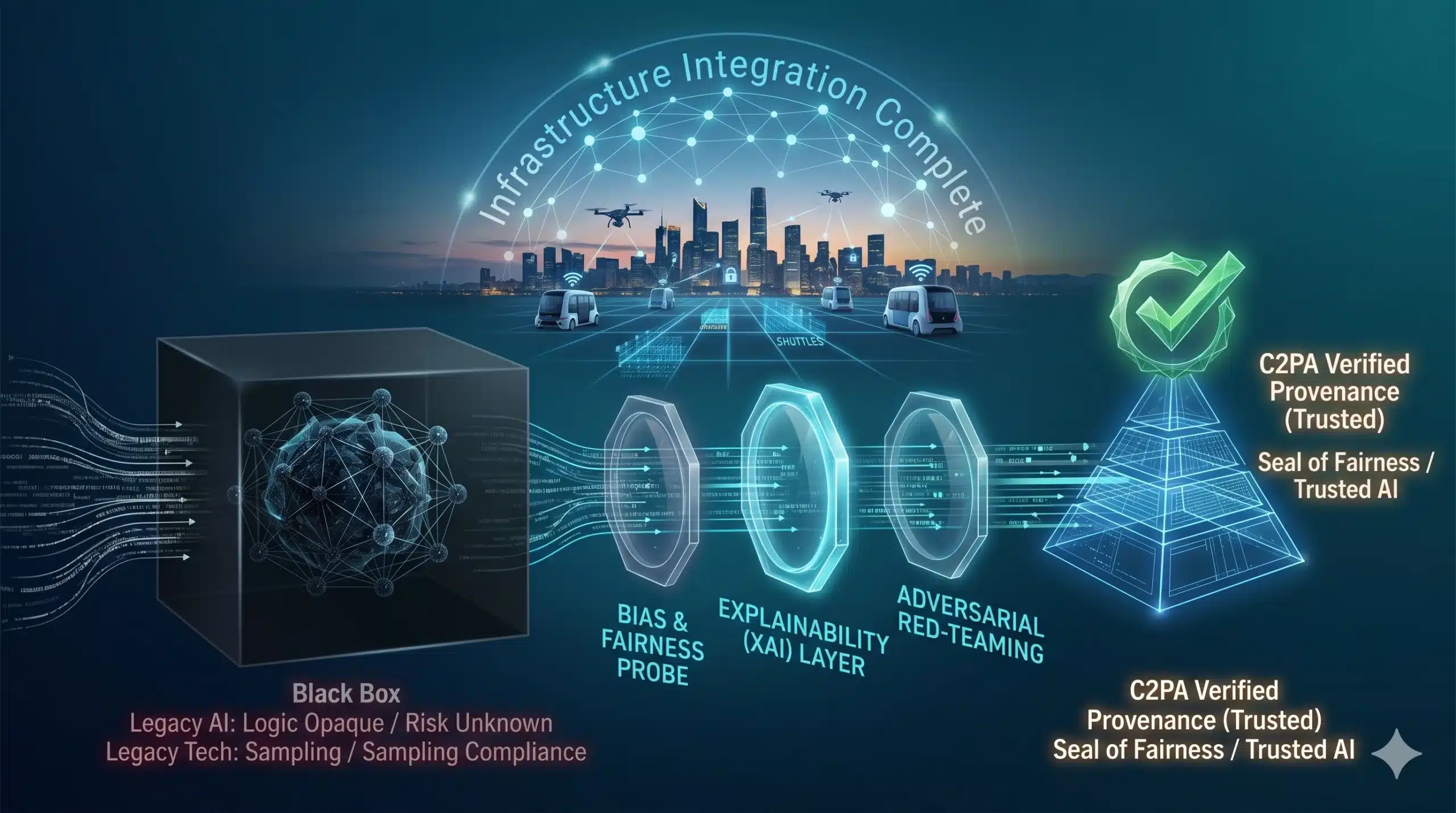
Corporate liability has moved from the filing cabinet to … Read more

Categories Technology

Quantum-Resistant Encryption: Is Your Data Ready for the Q-Day?

April 28, 2026 | 1:32 am by Lowell Langosh
Algorithmic Auditing: The New Frontier of Corporate Compliance

The locks on our digital world are based on … Read more

Categories Technology

Deepfake Defense: New Standards for Digital Content Provenance

April 28, 2026 | 1:29 am by Lowell Langosh
Quantum-Resistant Encryption: Is Your Data Ready for the Q-Day?

The era of “seeing is believing” ended quietly, then … Read more
Categories Technology

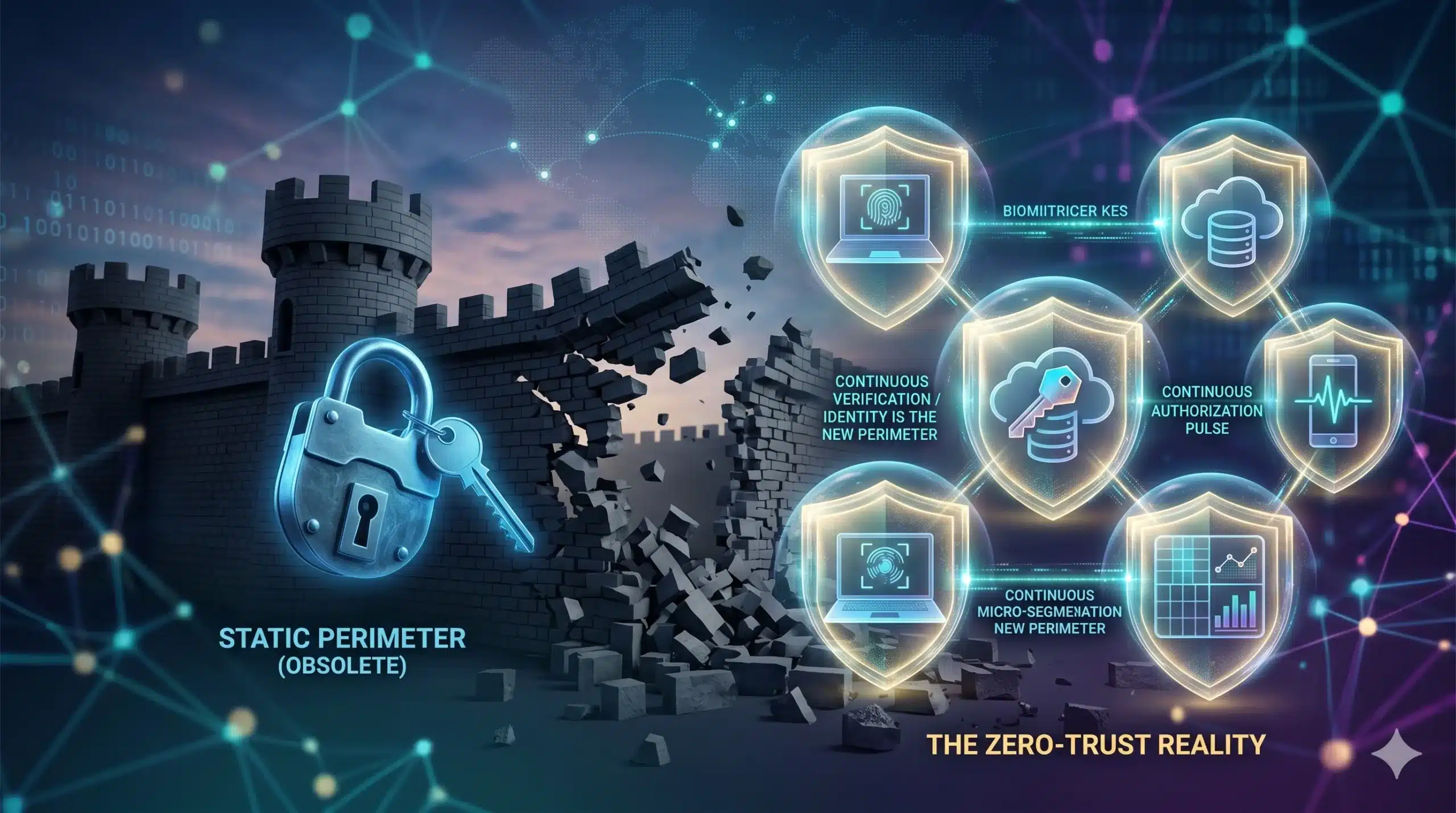
The Zero-Trust Reality: Securing Decentralized Remote Workforces

April 28, 2026 | 1:27 am by Lowell Langosh
The era of "seeing is believing" ended quietly, then all at once. In early 2026, the internet reached a saturation point where the cost of generating a photorealistic, high-fidelity deepfake dropped to nearly zero, while the speed of dissemination hit an all-time high. We are no longer just fighting "fake news"; we are fighting a total collapse of digital reality. When a video of a CEO making a market-moving announcement or a politician giving a speech can be fabricated in seconds on a consumer-grade laptop, the very infrastructure of public trust begins to crumble.We are now entering the age of Digital Content Provenance. The strategy has shifted from trying to "detect" fakes—an exhausting game of cat-and-mouse—to "verifying" the truth. By attaching an immutable, cryptographically secure digital birth certificate to every piece of media, we are rebuilding the internet’s ecosystem around a new mandate: if it isn't signed, it isn't real.The "Why": The Failure of Detection-Based DefenseThe economic and social drive for provenance standards is rooted in the "Detection Paradox." For every new AI detector developed, a more sophisticated generative adversarial network (GAN) is born to bypass it. Relying on detection is reactive; it requires the damage to be done before a "fake" label can be applied. For businesses, the ROI of a proactive defense is clear: preventing a fraudulent wire transfer or a brand-destroying deepfake is significantly cheaper than damage control.Technologically, the shift is driven by the global adoption of the C2PA (Coalition for Content Provenance and Authenticity) standard. Major tech players, from camera manufacturers to social media giants, have realized that without a unified integration of trust, the commercial value of digital media will evaporate. We are moving from a "post-truth" era to a "verified-origin" era, where the metadata of a file is just as important as the pixels themselves.Technical Breakdown: How Content Provenance WorksDigital provenance doesn't hide the truth; it seals it. Unlike traditional metadata, which can be easily stripped or edited, new provenance standards use a "glass-to-glass" cryptographic chain.Secure Capture: The process begins at the hardware level. When a photo is taken, the camera’s secure enclave signs the file with a private key, capturing the exact time, GPS location, and sensor data.Manifest Logs: Every time the file is edited (cropped, color-corrected, or compressed), an entry is added to a "manifest." This creates a transparent history of every change made to the media.Cryptographic Hashing: The file is linked to a unique hash. If even a single pixel is altered without being logged in the manifest, the "seal" is broken, and the file is flagged as unverified.Cloud-Side Verification: Major platforms utilize a distributed infrastructure to cross-reference these hashes against a public ledger, allowing users to click a "Verify" button and see the full "ingredients list" of the media.The Trust Paradigm ShiftFeatureLegacy Media (2010–2024)Provenance-Enabled Media (2026+)Trust ModelImplicit (Assume Real)Explicit (Assume Fake until Verified)Security LayerStrippable Metadata (EXIF)Cryptographic Manifest (C2PA)Edit HistoryHidden / OpaqueTransparent / AuditableVerificationAI Detection (Probabilistic)Cryptographic Signing (Deterministic)Real-World Impact: Rescuing Brand IntegrityThe integration of these standards is transforming high-stakes digital operations. In Digital Publishing, a news outlet can now prove that a video from a conflict zone was captured by an actual journalist on a specific device at a specific time. This eliminates the "fog of war" created by recycled or AI-generated footage, ensuring that the scalability of information doesn't come at the cost of its accuracy.For the Digital Entrepreneur, provenance standards act as a shield for personal branding. If a deepfake of a creator appears promoting a scam, the creator can point to their verified channel where every "real" video carries a C2PA checkmark. It creates a "walled garden" of authenticity for their ecosystem, protecting their reputation and their audience.In Legal and Insurance sectors, provenance is becoming the new standard for evidence. A homeowner in Odisha claiming insurance for storm damage to a G+1 house can provide "signed" photos that the insurance AI can instantly verify for date and location, speeding up payouts and eliminating the ROI-draining friction of fraud investigations.Challenges & Ethics: The Privacy and Accessibility BottleneckThe move toward total transparency introduces new "bottlenecks," specifically concerning the "Right to Anonymity."The Privacy Risk: If every photo is cryptographically linked to a device and location, what happens to whistleblowers or activists in sensitive regions? Developing a "Privacy-Preserving Provenance" that proves a photo is real without revealing the identity of the photographer is a major technical hurdle.The Complexity Tax: Implementing C2PA at the hardware level increases the cost of devices. For smaller creators or those in emerging markets, this creates a "trust gap" where only those with expensive, modern infrastructure can prove their content is real.Energy Consumption: Maintaining massive, distributed ledgers for trillions of daily images and videos requires significant compute power, forcing a conversation about the carbon footprint of digital trust.The 3-5 Year Outlook: The Verified WebBy 2029, the "C2PA Checkmark" will likely be as ubiquitous as the "HTTPS" lock icon is today. We will look back at the mid-2020s as a chaotic "Wild West" where we were forced to guess what was real. Content without a provenance trail will be treated with the same suspicion we currently reserve for anonymous emails from "Princes" asking for bank details.

The corporate perimeter hasn’t just been breached; it has … Read more

Categories Technology

Solid-State Batteries: The Breakthrough Powering the Next EV Wave

April 27, 2026 | 12:52 am by Lowell Langosh
Solid-State Batteries: The Breakthrough Powering the Next EV Wave

The “range anxiety” that has haunted the first decade … Read more
Categories Technology

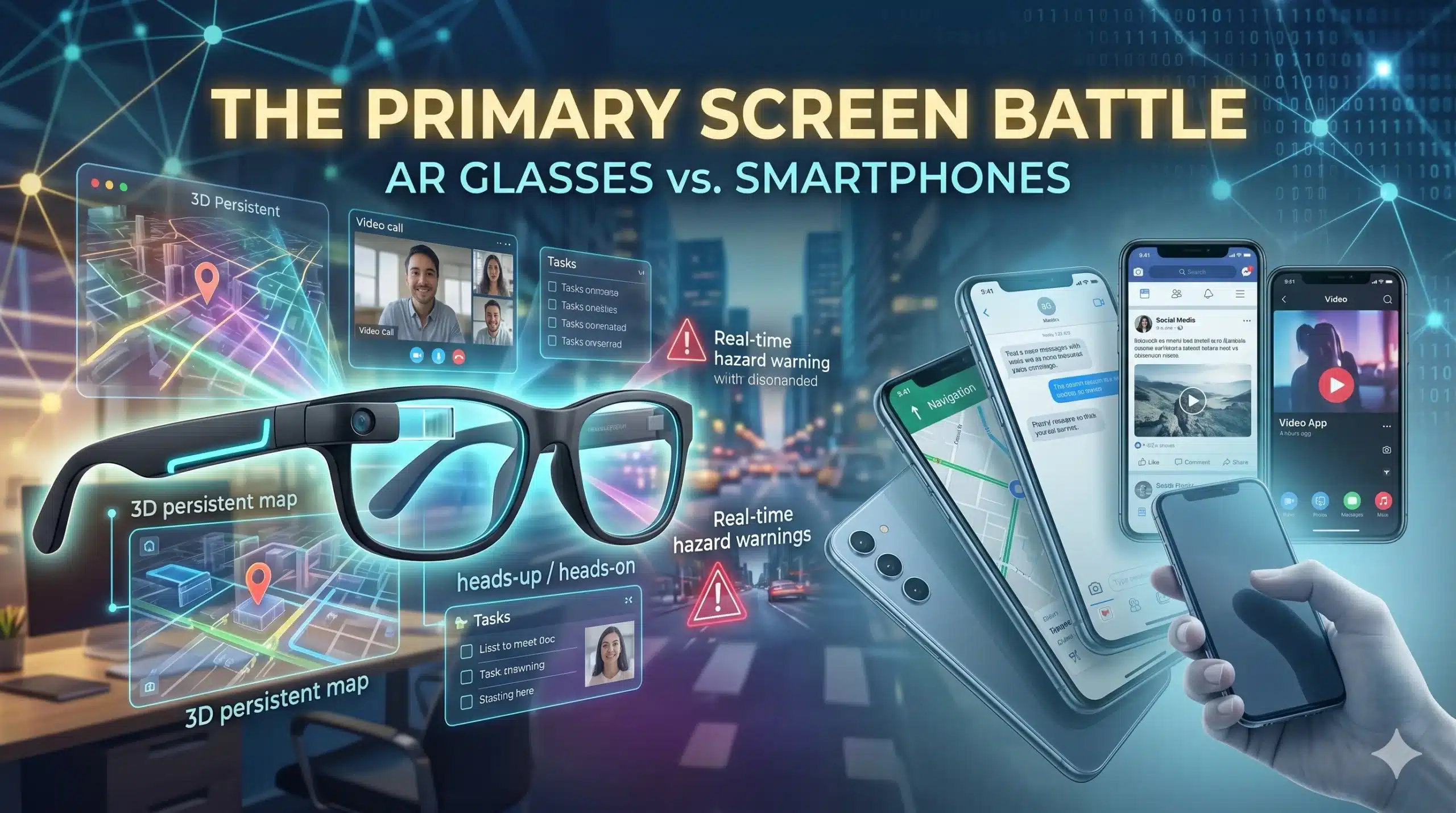
AR Glasses vs. Smartphones: The Battle for the Next Primary Screen

April 27, 2026 | 12:48 am by Lowell Langosh
The "range anxiety" that has haunted the first decade of electric vehicle adoption is finally meeting its match. For years, the lithium-ion battery has been the undisputed king of energy storage, but it is a king reaching its physical limits. Liquid electrolytes—the "juice" inside current batteries—are heavy, flammable, and temperamental in extreme weather. As the automotive industry pushes toward 2026, the conversation has shifted from incremental improvements to a fundamental change in chemistry.We are entering the era of Solid-State Batteries (SSBs). By replacing the liquid core with a solid ceramic, glass, or polymer electrolyte, we aren't just making a better battery; we are redefining the infrastructure of mobility. From 600-mile ranges to 10-minute charging cycles, the solid-state breakthrough is the key that unlocks the "Next Wave" of mass-market electrification.The "Why": Beyond the Limits of LiquidThe economic shift toward solid-state technology is driven by the need for ROI through performance. Current lithium-ion cells are hitting a ceiling at roughly 250–300 Wh/kg. To get more range, you need more batteries, which adds weight, which in turn reduces efficiency. It is a cycle of diminishing returns that makes heavy-duty EVs and long-range budget models difficult to scale.Technologically, the shift is about safety and density. Liquid electrolytes are volatile; they require heavy cooling systems and reinforced "cages" to prevent thermal runaway. Solid-state architectures are inherently non-flammable. By removing the need for complex thermal management infrastructure, engineers can pack cells tighter, effectively doubling the energy density while stripping away dead weight.Technical Breakdown: How the Solid-State Loop WorksSolid-state batteries function on the same basic principle as their liquid predecessors—moving ions between an anode and a cathode—but with three critical architectural differences:Solid Electrolyte: Instead of a flammable liquid salt solution, SSBs use sulfide, oxide, or polymer materials. This acts as both the medium for ion flow and a physical separator.Lithium-Metal Anodes: Because the solid electrolyte is physically strong, it can support an anode made of pure lithium metal. This is the "holy grail" of battery tech, offering nearly 10x the theoretical capacity of traditional graphite anodes.Dendrite Suppression: The rigid structure of solid electrolytes is designed to act as a barrier against "dendrites"—microscopic, needle-like structures that grow during charging and cause short circuits in liquid cells.Wide Temperature Window: These batteries maintain integration with the vehicle's powertrain even in extreme cold (down to -30°C) or high heat, without the 30–40% capacity loss seen in legacy tech.The Battery EvolutionFeatureLiquid Lithium-Ion (Legacy)Solid-State (2026 Breakthrough)Energy Density150 – 260 Wh/kg350 – 500+ Wh/kgCharging Time30 – 60 mins (80%)10 – 15 mins (80%)Safety ProfileFlammable / Risk of RunawayNon-flammable / Inherently StableCold PerformanceHigh capacity lossHigh retention (>70% at -30°C)Real-World Impact: The 1,000 km MilestoneThe most immediate impact of this technology is the "1,000 km (620 miles) barrier." In early 2026, we saw the first semi-solid-state packs deployed in production vehicles by firms like Nio and Dongfeng. For the consumer, this means an EV that can travel from Silchar to Kolkata on a single charge, even in harsh winter conditions.Beyond passenger cars, the scalability of SSBs will revolutionize the Logistics sector. Long-haul electric trucks, which previously required batteries so heavy they reduced their cargo capacity, can now carry more freight over longer distances with an improved ROI. In the consumer space, this tech will trickle down to electric scooters and bikes, offering 200 km of range in a pack that is half the weight of current budget LFP (Lithium Iron Phosphate) units.Challenges & Ethics: The Manufacturing BottleneckDespite the scientific success, the "integration tax" for solid-state batteries remains high. We are currently in the "Semi-Solid" phase precisely because All-Solid-State Batteries (ASSBs) face three major hurdles:Manufacturing Complexity: Production requires ultra-dry, vacuum-sealed environments. Many current gigafactory lines are built for liquid "filling," meaning a total infrastructure overhaul is required for solid-state assembly.Interfacial Resistance: Ensuring a perfect, microscopic connection between the solid electrolyte and the electrodes is difficult. Any tiny gap increases resistance and slows down charging.Cost: As of 2026, the per-kWh cost of solid-state cells is still significantly higher than traditional lithium-ion. Until production reaches GWh scale, these batteries will remain a premium feature for high-end EVs.The 3-5 Year Outlook: The Solid-State StandardBy 2029, the industry consensus points toward a "tipping point." Toyota, CATL, and Samsung SDI have all targeted 2027–2028 for small-scale production, with mass-market pricing expected after 2030. The next three years will be defined by the transition from "Semi-Solid" (hybrid cells) to "All-Solid" architectures.

The glowing rectangle in your pocket is starting to … Read more

Categories Technology
Older posts
Page1 Page2 Page3 Next →
  • Home
  • About Us
  • Contact Us
    • Correction Policy
  • Disclaimer
  • Editorial Policy
  • Fact-Checking Policy
  • Feedback Policy
  • Privacy Policy
© 2025 Signature School Media
  • News
  • Sports
  • Entertainment
  • Automobile
  • Technology
  • Business