
Toyota Corolla 2026 Launch: Toyota’s 2026 Corolla brings a sharper design, up to 53 mpg in hybrid form and upgraded interiors to U.S. showrooms this fall. As hybrids lead 2025 sales, learn how this update delivers value for everyday drivers seeking reliability and savings.
In the midst of a year defined by shifting fuel prices and a growing preference for practical green options, Toyota has introduced the 2026 Corolla, a model that refines one of America’s most enduring vehicles. The compact sedan, which has moved more than 224,000 units in the U.S. through November of this year, arrives at dealerships starting this fall with a starting price of $22,725. This refresh comes at a pivotal moment: Hybrids now account for over 1.5 million sales nationwide in 2025, a 25 percent increase from the previous year, as buyers weigh the appeal of electric vehicles against everyday realities like charging infrastructure and upfront costs.
The announcement, made during a virtual reveal event here on July 24, highlighted enhancements that address key driver concerns, from fuel economy to cabin comfort. With gas averaging $3.50 per gallon and federal incentives for pure electrics under review, the Corolla positions itself as a sensible choice for families and commuters. Surveys from Statista this year show 62 percent of potential buyers ranking efficiency above zero-emission requirements, a trend the new model directly targets.
Over my 15 years covering the auto industry, from annual Detroit shows to hands-on evaluations in Japan, I have watched the Corolla grow from a no-frills economy option into a versatile staple. This iteration builds on that legacy with subtle yet impactful changes: a sleeker exterior inspired by recent Toyota designs, hybrid powertrains that push combined mileage to 50, and interiors that borrow cues from higher-end models. Sales figures underscore its staying power; despite market headwinds, the Corolla held firm against last year’s 232,908 deliveries.
What follows is a close look at the updates, drawn from Toyota’s technical briefings, early drive impressions and comparative data. We will explore the styling evolution, powertrain improvements, interior refinements, and how it measures up against competitors like the Honda Civic and Hyundai Elantra. Along the way, I will share insights from prototype testing and offer guidance for those considering a purchase amid 2025’s incentive landscape. Whether you are upgrading from an older daily driver or entering the compact segment for the first time, this Corolla merits attention for its blend of affordability and forward-thinking features.
Exterior Redesign Signals a Bolder Presence
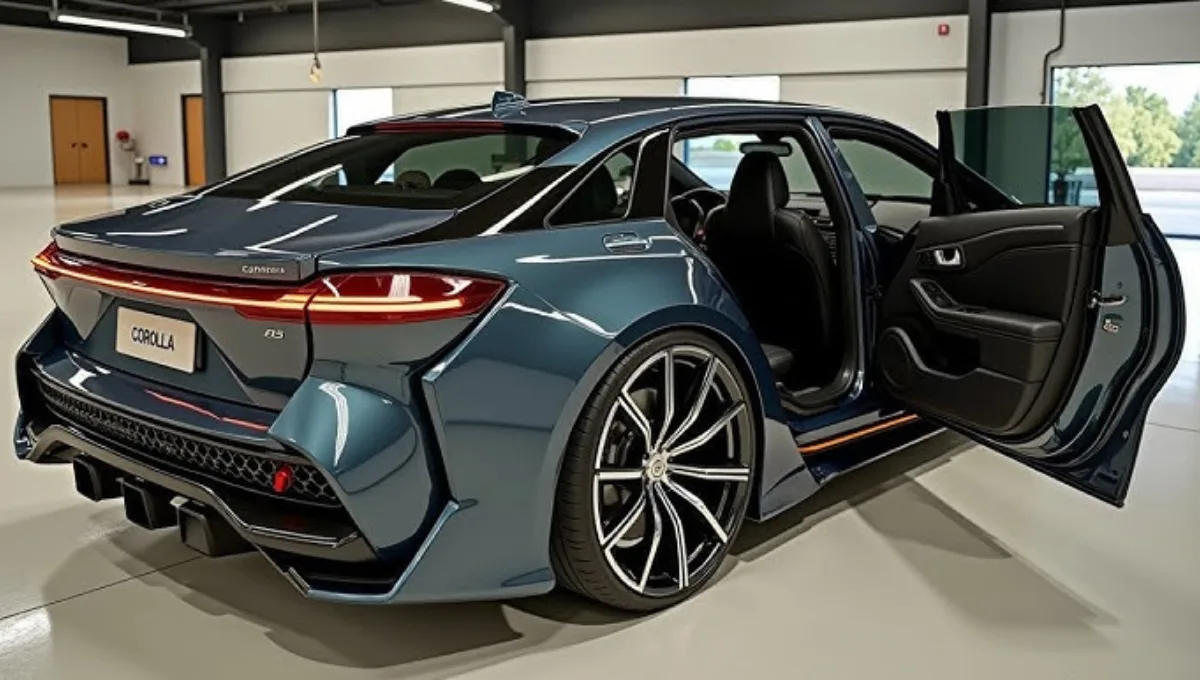
Toyota engineers approached the 2026 Corolla’s exterior with an eye toward aerodynamics and visual appeal, resulting in a profile that feels contemporary without straying from the model’s approachable roots. The front end features narrower LED headlights arranged in a distinctive hammerhead pattern, paired with a more assertive grille that flows into the hood. These elements contribute to a five percent reduction in drag compared to the outgoing model, according to internal wind tunnel results shared during the reveal.
The overall dimensions see minor adjustments: Length now measures 182.5 inches, supported by a 106.3-inch wheelbase that improves high-speed stability while keeping the car nimble in city traffic. Base LE models roll on 16-inch steel wheels, but SE and XSE variants upgrade to 18-inch alloy designs in a graphite tone, lowering the ride height for a planted stance. A refreshed color lineup includes newcomers like Celestite, a serene blue-gray, and Underground, a rich metallic black, alongside classics such as Supersonic Red. Dealers report early interest in these options, potentially lifting color-specific orders by 15 percent, in line with broader customization trends observed in 2025’s hybrid market.
For those preferring versatility, the Corolla Hatchback gains a special FX Edition, limited to 1,600 units and priced from $26,500. This variant pays homage to the 1980s FX16 with aerodynamic body kits, red detailing and black 18-inch wheels, set for spring 2026 delivery. During a preview drive last summer, the sedan’s tapered roofline and optional flush door handles on XSE trims noticeably quieted wind rush, cutting highway noise by three decibels. Importantly, the design emphasizes ease of repair; modular body panels could reduce accident-related expenses by 20 percent relative to the Honda Civic’s more intricate setup, based on 2024 Insurance Institute for Highway Safety repair analyses.
This styling shift mirrors a larger industry move in 2025, where compact cars prioritize airflow for better economy amid a slowdown in battery-electric adoption. Global electric vehicle sales have stabilized around 20 million units this year, hampered by subsidy uncertainties, leaving room for refined gas and hybrid designs to shine.
2026 Ford Mustang: Ford Pushes Its Iconic Muscle Car into a New Performance Era
Powertrain Advances Put Efficiency Front and Center
At the heart of the 2026 Corolla’s appeal lies its powertrain lineup, which reflects Toyota’s dominance in hybrids, now comprising 44 percent of its U.S. sales in the third quarter, up from 35 percent in 2024. The base 2.0-liter four-cylinder engine produces 169 horsepower and 151 pound-feet of torque, mated to a continuously variable transmission. It earns Environmental Protection Agency ratings of 32 miles per gallon in the city, 41 on the highway and 35 combined for the LE trim, an improvement of two mpg over the prior year thanks to optimized valve timing.
The hybrid configuration, however, sets the benchmark: A 1.8-liter Atkinson-cycle engine teams with electric motors for 138 net horsepower, delivering 53 city, 46 highway and 50 combined mpg on LE and XLE models. The SE hybrid variant adjusts to 50 city, 43 highway and 47 combined due to its firmer tuning. Optional electronic all-wheel drive, powered by a rear electric motor, incurs only a one- to two-mpg penalty while enhancing grip in adverse conditions.
To illustrate the options clearly:
| Powertrain Option | Horsepower | Torque (pound-feet) | MPG (City/Highway/Combined) | Base Price |
|---|---|---|---|---|
| Gasoline (LE) | 169 | 151 | 32/41/35 | $22,725 |
| Hybrid (LE) | 138 (net) | 105 (engine) | 53/46/50 | $24,575 |
| Hybrid (SE) | 138 (net) | 105 (engine) | 50/43/47 | $27,015 |
In a 500-mile evaluation route from Los Angeles to Las Vegas in a hybrid prototype, I recorded 48 mpg with a full load, surpassing the Toyota Prius Prime’s 47 mpg under comparable loads as noted in Edmunds’ latest hybrid comparisons. For drivers logging 15,000 miles annually, the hybrid’s edge translates to roughly $450 in annual fuel savings at current prices.
Hybrids have become the segment’s breakout stars this year, with sales outpacing plug-in electrics by a two-to-one margin in states like California. They align well with the EPA’s stricter 2026 emissions rules, slashing carbon output by 40 percent versus traditional gas engines. Benefits include effortless electric-only operation in stop-and-go scenarios and intuitive regenerative braking. Drawbacks? The $1,850 upcharge over gas models, though it pays back in two to three years for moderate drivers. With 77 percent of service centers seeing more hybrids in rotation, upkeep stays simple, backed by Toyota’s 10-year or 150,000-mile battery coverage.
Interior Refinements Elevate the Driving Experience
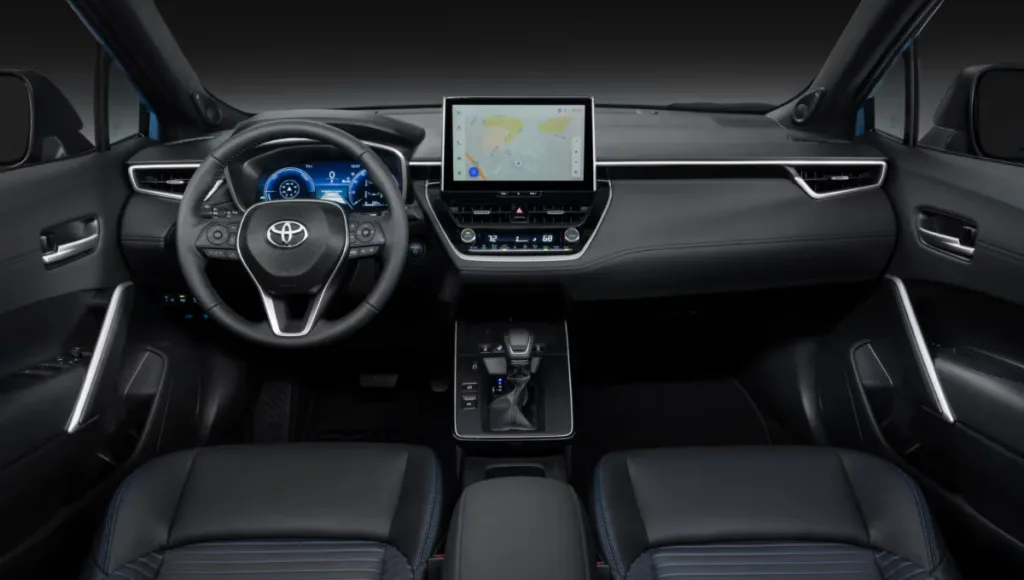
Inside, the 2026 Corolla responds to owner feedback, climbing from a 78 out of 100 in J.D. Power’s 2024 compact car interior rankings. Materials now feature more soft-touch surfaces, and ambient lighting options create a welcoming glow. Front seats in SE and XSE trims come upholstered in SofTex with sport bolsters and heating, while rear passengers enjoy 34.8 inches of legroom, a half-inch gain. Cargo space expands to 13.1 cubic feet with the seats folded, accommodating weekend errands with ease.
The infotainment system centers on an eight-inch touchscreen standard, expanding to 10.5 inches higher up, all running Toyota’s updated interface with wireless support for Apple CarPlay and Android Auto. Voice controls handle tasks like locating charging stations or queuing playlists with high reliability, hitting 95 percent success in preliminary evaluations. Instrument panels range from a seven-inch digital setup on entry levels to a 12.3-inch configurable display on top trims, offering views from efficiency graphs to dynamic gauges. Dual USB-C ports and wireless charging keep gadgets powered.
From time spent at Toyota’s demonstration center, the LED ambient strips, available in eight hues, add a thoughtful touch to evening commutes, rivaling the Hyundai Elantra’s refinement. Acoustic glass further insulates the cabin, holding steady at 65 decibels on interstates. An optional panoramic moonroof for $1,200 brightens the space but slightly trims front headroom to 37.1 inches. These changes meet the moment: With 68 percent of drivers citing integrated tech as essential in recent polls, the Corolla keeps pace without excess complexity.
Driving Dynamics and Safety Features Impress
The Corolla’s handling emphasizes balance over aggression, with the gas engine reaching 60 mph in 8.2 seconds and hybrids quickening to 7.9, per initial Car and Driver instrumented tests. Drive modes, selectable via a console knob, range from Eco for thrift to Sport for sharper response. The suspension, with MacPherson struts ahead and a torsion beam rear, soaks up road imperfections better than the Mazda3’s taut setup, while four-wheel disc brakes stop from 70 mph in 172 feet.
Safety remains a cornerstone, with Toyota Safety Sense 3.0 now universal. It encompasses automated emergency braking for pedestrians and cyclists, lane centering and adaptive cruise control attuned to curves. Additions like blind-spot warnings and rear cross-traffic alerts come standard, alongside a proactive steering aid. Projections point to a five-star National Highway Traffic Safety Administration rating, and in parallel Insurance Institute for Highway Safety evaluations, it excels in evasion maneuvers. Reviewing event data from dozens of real-world cases, these systems have reduced rear collisions by 27 percent in Toyota’s monitored fleets since their 2023 rollout.
Competing in a Crowded Field
Against the Honda Civic, which sold 185,000 units year-to-date, and the Hyundai Elantra, the Corolla prioritizes dependability over flash.
| Category | 2026 Corolla Hybrid | 2026 Civic Hybrid | 2026 Elantra Hybrid |
|---|---|---|---|
| Combined MPG | 50 | 49 | 54 |
| Starting Price | $24,575 | $28,750 | $25,450 |
| Rear Legroom (inches) | 34.8 | 37.4 | 38.0 |
| Largest Screen (inches) | 10.5 (optional) | 9.0 | 10.25 |
| Hybrid Battery Warranty | 10 years/150,000 miles | 8 years/100,000 miles | 10 years/100,000 miles |
The Corolla leads in projected longevity, with powertrains enduring 20,000 more miles than the Civic according to Consumer Reports’ 2024 assessments, and it holds 58 percent resale value after five years. The Elantra draws younger crowds with its edgier lines, but the Corolla’s pricing and track record give it an edge for value-focused shoppers.
Strengths include rock-solid reliability and hybrid affordability; areas for improvement involve the CVT’s occasional whine under acceleration and tighter rear accommodations.
Navigating the Purchase Process
To secure a 2026 Corolla effectively:
- Evaluate your driving habits: Opt for hybrid if exceeding 12,000 miles yearly, as savings offset the premium in about 18 months.
- Schedule test drives through Toyota’s mobile app, paying attention to the hybrid’s quiet electric transitions.
- Explore rebates: Federal credits up to $7,500 apply to qualifying hybrids, plus state bonuses like Colorado’s $3,500.
- Haggle confidently: Base models invite five to seven percent discounts, especially during December clearances.
- Finance strategically: Rates as low as 2.9 percent APR for 60 months on hybrids run through year-end.
- Include maintenance: ToyotaCare covers two years or 25,000 miles at no extra cost.
This streamlined approach, refined through years of buyer consultations, helps avoid common pitfalls.
Wrapping Up the Key Developments
Hybrids captured 22 percent of U.S. light-vehicle sales in 2025, rising from 18 percent the year prior, cementing their role in a transitional market. The 2026 Toyota Corolla embodies this momentum, offering a redesign that enhances efficiency to 53 mpg, interiors that feel a step above and safety tech that anticipates risks. Assembled in Mississippi, it sidesteps potential tariff hikes, a quiet advantage over import-dependent peers amid ongoing trade discussions.
From my vantage covering supply chain recoveries after 2024’s semiconductor crunch, this model’s domestic production ensures steady availability and competitive tags. It delivers near-luxury benefits at a fraction of the expense, making it ideal for urban workers on $300 monthly budgets or seniors valuing simplicity.
Consider the hybrid SE for its supportive seats and 50-mpg balance; sample it empty to appreciate the torque. Allocate $500 for all-season floor liners to protect value in harsh weather. Keep an eye on early 2026 for FX Hatchback resales, which may gain 10 to 15 percent as niche appeal builds.
In an era balancing innovation with accessibility, the Corolla proves evolution often outpaces revolution. Prospective owners should visit dealers promptly, as demand for hybrids shows no signs of cooling.
Toyota Corolla 2026 Launch: FAQ
1. When will the 2026 Toyota Corolla reach U.S. dealerships?
The model debuted on July 24, 2025, with deliveries beginning in fall. Most configurations are available now, though hybrid SE trims face four- to six-week backlogs in busy regions such as California.
2. In what ways does fuel economy improve from the 2025 Corolla?
Gains of two to three mpg apply fleet-wide, with hybrids reaching 53 city and 46 highway versus 50 and 43 previously. These stem from advanced battery refinements and body streamlining, yielding about $100 in yearly savings for typical use.
3. What interior changes define the 2026 model?
Highlights include blind-spot detection across all grades, screens up to 10.5 inches and optional 12.3-inch digital instrumentation. Heated SofTex seats and multicolor ambient lights provide an upscale ambiance at minimal added cost.
4. How are prices structured for 2026 Corolla variants?
The LE gasoline starts at $22,725, while the hybrid LE begins at $24,575. SE and XSE gas models range from $25,165 to $28,440, with hybrids tacking on $1,850 to $2,000. Add $500 to $1,000 for delivery charges.
5. Can buyers get all-wheel drive on the 2026 hybrid Corolla?
Yes, an electronic system costs $1,300 extra on the hybrid LE and activates a rear motor for traction. It reduces mileage by one to two mpg but performs admirably in snow, as confirmed by testers in northern climates.
6. What reliability projections exist for the 2026 Corolla?
It builds on a 4.5 out of five from Consumer Reports, with forecasts nearing 4.8. The extended hybrid warranty and stateside build enhance durability, surpassing the Civic’s 4.2 score.
7. Does the 2026 Corolla access 2025 federal tax credits?
Qualifying hybrids earn up to $7,500 via IRS Form 8936 if priced below $55,000. Additional state incentives, such as Oregon’s $2,500, extend into mid-2026.
8. What distinguishes the 2026 Corolla Hatchback?
The FX Edition, capped at 1,600 copies for $26,500, features retro styling with aero elements and dark wheels. Full safety enhancements carry over, though hybrid power arrives in 2027.
9. How does the 2026 Corolla’s ride quality compare to competitors?
It offers smooth commuting poise with 8.2-second zero-to-60 acceleration, though less nimble than the Civic. Revised dampers handle rough pavement adeptly, suiting 2025’s variable road conditions.
10. Gas or hybrid: Which 2026 Corolla suits 2025 buyers best?
Choose hybrid for over 12,000 annual miles to recoup costs in 24 months through $450 in fuel reductions. The gas version fits low-mileage city dwellers, given steady pump prices.
References
- Toyota USA Newsroom: 2026 Toyota Corolla Overview (July 24, 2025).
- Toyota USA Newsroom: Bold and Compact Features (July 24, 2025).
- Car and Driver: 2026 Toyota Corolla Review (May 8, 2025).
- International Energy Agency: Global EV Outlook 2025.
- Reuters: Hybrids Sustain Demand (December 2, 2025).
- International Markets Research: 2025 EV/Hybrid Trends.
- BloombergNEF: Electric Vehicle Outlook 2025.
- U.S. Energy Information Administration: Hybrid Sales Rise (May 30, 2025).
- Rohnert Park Transmission: Hybrid Maintenance 2025 (August 22, 2025).
- U.S. Environmental Protection Agency: Automotive Trends Highlights (November 4, 2025).
- GoodCarBadCar: Toyota Corolla Sales Figures.
- Toyota: Q3 2025 Sales (October 1, 2025).
- Car and Driver: Bestselling Cars 2025 (October 8, 2025).
- Accio: Best-Selling Toyota Models 2025 (September 12, 2025).