
The most expensive hour in modern business isn’t spent in the boardroom; it’s spent in a “war room” where six senior engineers are hunting for a single broken semicolon in a million-line codebase. For decades, software development has been plagued by an asymmetrical struggle: humans write code in linear bursts, but bugs propagate at the speed of distributed systems. As our digital infrastructure grows more complex, the manual “find-and-fix” model has reached its breaking point.
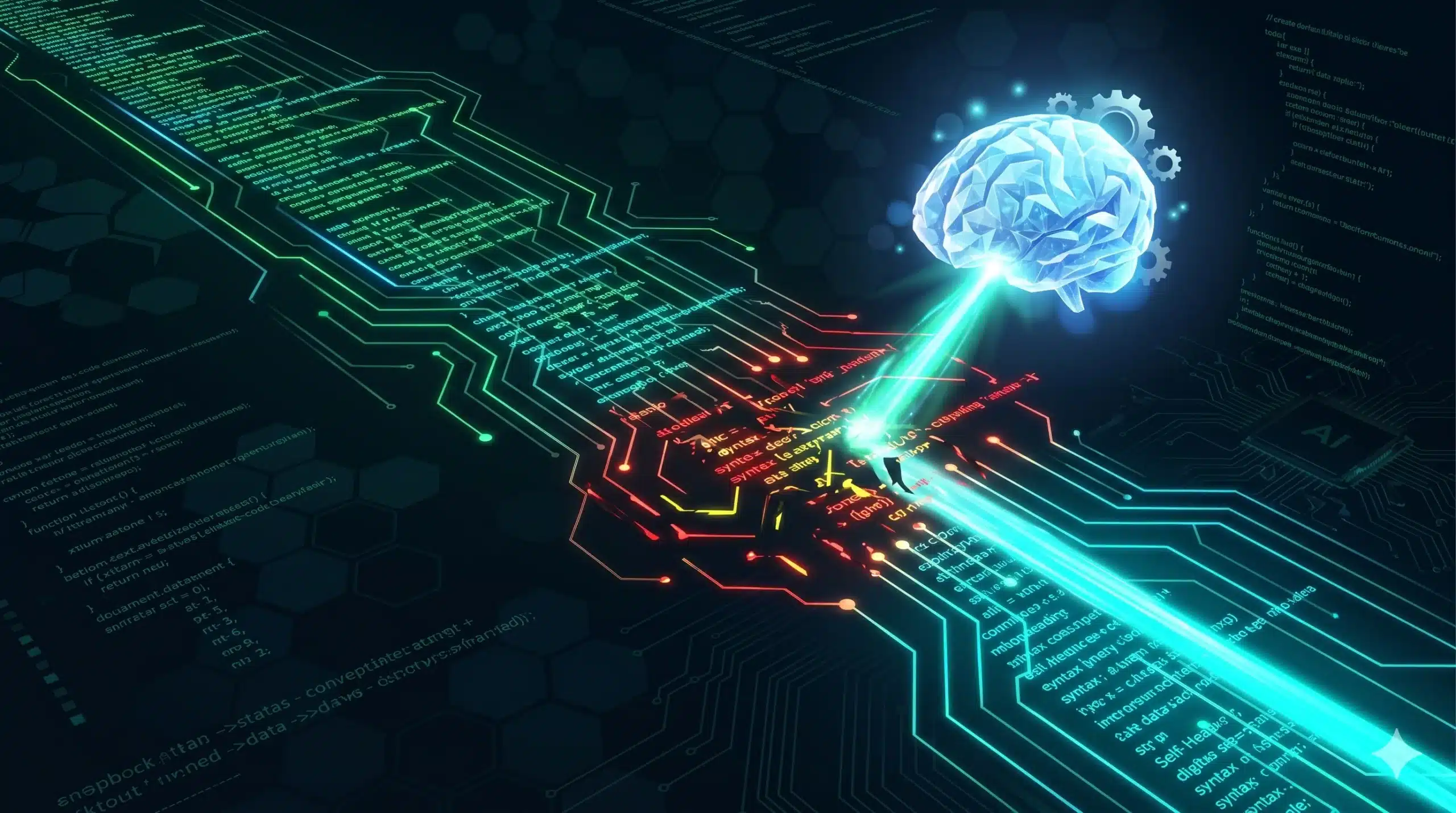
Enter Self-Healing Code. We are moving away from reactive debugging—where a system crashes and a human intervenes—toward autonomous software that identifies, diagnoses, and patches its own vulnerabilities in real-time. This isn’t just a better linter; it is a fundamental shift in the software lifecycle that promises to turn downtime into a historical relic.
The Shift: Why Static Software is Obsolete
The economic drive for self-healing systems is rooted in the soaring cost of technical debt. Industry benchmarks suggest that developers spend upwards of 50% of their time on maintenance and debugging rather than building new features. In a global economy where software is the primary driver of ROI, this inefficiency is no longer sustainable.
Technologically, the shift is enabled by the convergence of LLMs and Observability. Previously, we had tools that could tell us where a system was failing, but not why or how to fix it. Today, by integrating AI directly into the CI/CD (Continuous Integration/Continuous Deployment) pipeline, the “debugging lifecycle” is becoming a closed loop. The goal is no longer just high availability, but “resilient autonomy”—systems that evolve to survive the bugs they inevitably contain.
Technical Breakdown: The Anatomy of an Autonomous Fix
Self-healing code operates through a specialized ecosystem of monitors and agents. It isn’t magic; it is a high-speed feedback loop consisting of four distinct stages:
- Continuous Observability: AI agents ingest high-cardinality data from logs, traces, and metrics. Unlike traditional alerts, these agents use pattern recognition to identify “silent failures” that don’t trigger standard alarms.
- Root Cause Synthesis: When an anomaly is detected, the AI doesn’t just report the error code. It cross-references the failure with recent code commits, identifying the specific “diff” that likely introduced the regression.
- Automated Patch Generation: Using a Domain-Specific Model (DSM) trained on the organization’s unique codebase, the system drafts a fix. This isn’t a generic snippet; it’s a context-aware patch that adheres to local styling and logic.
- Sandboxed Verification: The proposed fix is automatically deployed to a “shadow” environment where a suite of regression tests is run. If the tests pass and no new bugs are introduced, the code is promoted to production—often before a human engineer has even finished their coffee.
The Debugging Evolution
| Feature | Legacy Debugging (2020-2024) | Self-Healing Systems (2026+) |
| Detection | Human-monitored dashboards | Autonomous pattern recognition |
| Diagnosis | Log diving and “War Rooms” | Instant Root Cause Analysis (RCA) |
| Resolution | Manual code edits and PRs | AI-generated, verified patches |
| Downtime | Minutes to Hours | Milliseconds to Seconds |
Real-World Impact: Resilient Infrastructure
The most immediate beneficiary of self-healing code is Scalability. Consider a global fintech platform processing thousands of transactions per second. Under the old model, a memory leak in a microservice could degrade performance for hours before being pinpointed. A self-healing system detects the rising memory usage, identifies the leaked object, generates a memory-management fix, and redeploys the service—preventing a catastrophic outage.
In the realm of Cybersecurity, this technology acts as a “digital immune system.” When a new zero-day vulnerability is announced, self-healing agents can scan the production environment, identify vulnerable libraries, and apply “virtual patches” or code updates across the entire fleet instantly. This reduces the “window of exposure” from days to minutes, fundamentally changing the game for defensive security teams.
Challenges & Ethics: The Trust Gap
The move to autonomous code is not without significant integration hurdles. The primary bottleneck is Trust. Handing over the “write” permissions of a production database to an AI agent is a terrifying prospect for most CTOs.
- The Hallucination Risk: While AI is excellent at pattern matching, it can still propose “hallucinated” logic that appears correct but contains subtle, deep-seated flaws.
- Energy Consumption: Running high-fidelity observability and generative AI models 24/7 adds a massive overhead to a company’s carbon footprint, making GreenOps a necessary partner to self-healing initiatives.
- Privacy & Data Governance: To be effective, these agents need deep access to proprietary code and sensitive logs. Ensuring this data doesn’t leak into the training sets of general-purpose LLMs is a major legal and technical challenge.
The 5-Year Outlook: The Invisible Developer
Over the next three to five years, self-healing code will move from an “experimental luxury” to a standard component of the modern tech stack. We will see the emergence of “Zero-Ops” environments, where the day-to-day management of software health is entirely offloaded to autonomous agents.